Pontoons in Coffs Harbour
Family-owned marine construction specialists delivering durable waterfront infrastructure, experienced across sea walls, jetties, pontoons and commercial marine projects since 2018.
Government Tender Ready
Waterfront Specialists
Commercial Capability
Restoration Experts
Smarter Waterfront Access
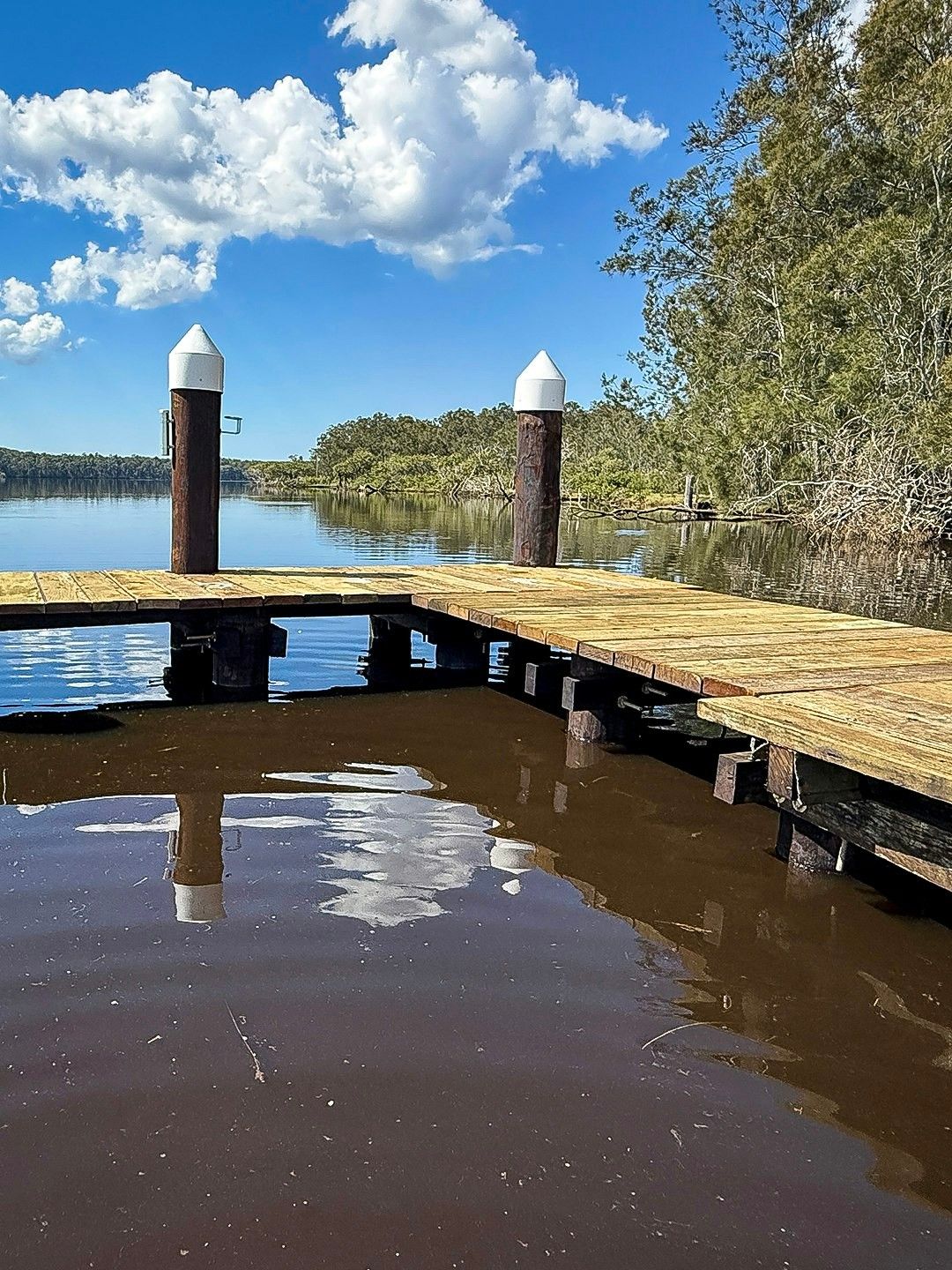
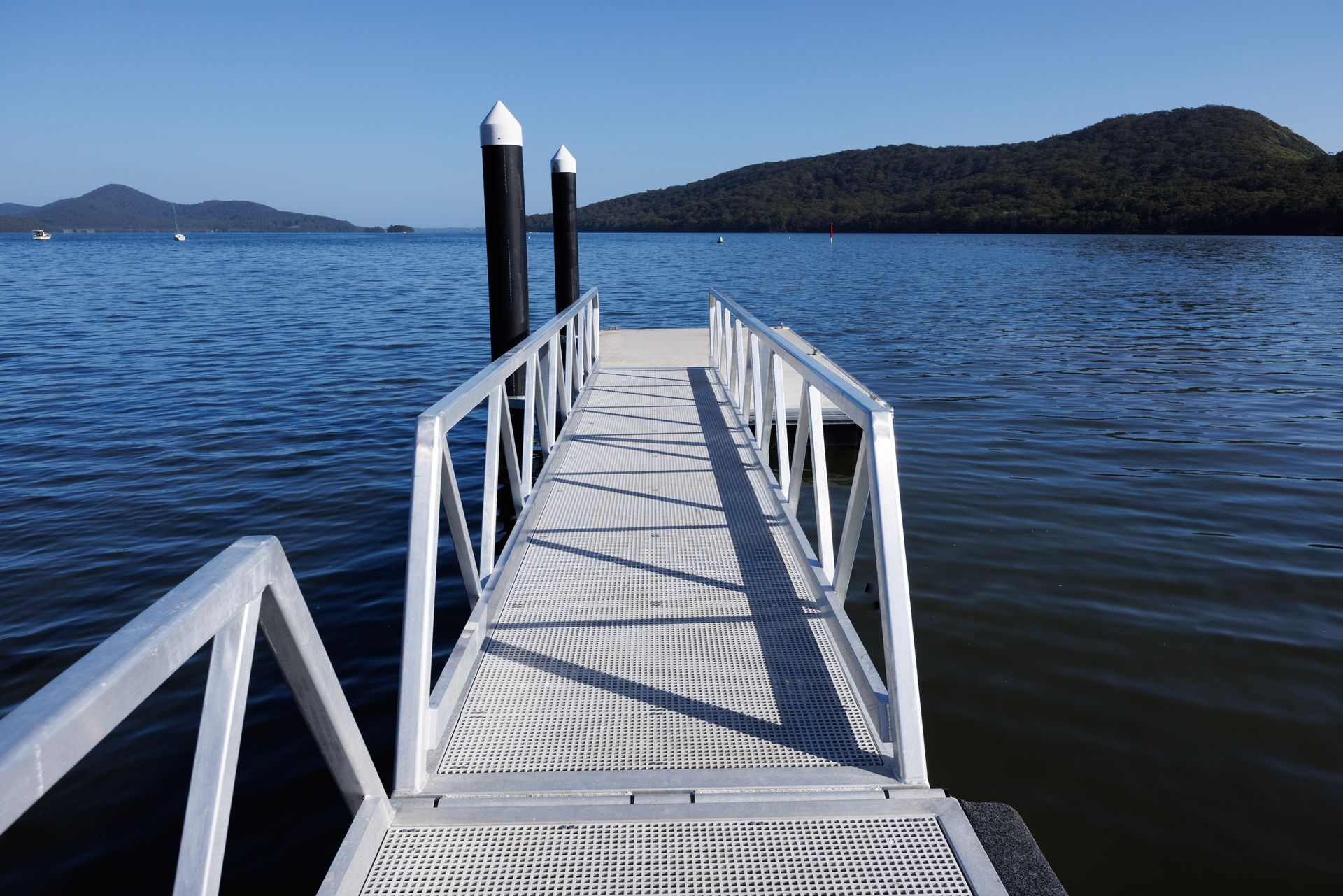
Access to the water in Coffs Harbour needs to work with movement, not against it. When tides shift and swell rolls through, fixed access points can become limiting. That’s why many waterfront sites rely on floating systems that adjust naturally throughout the day.
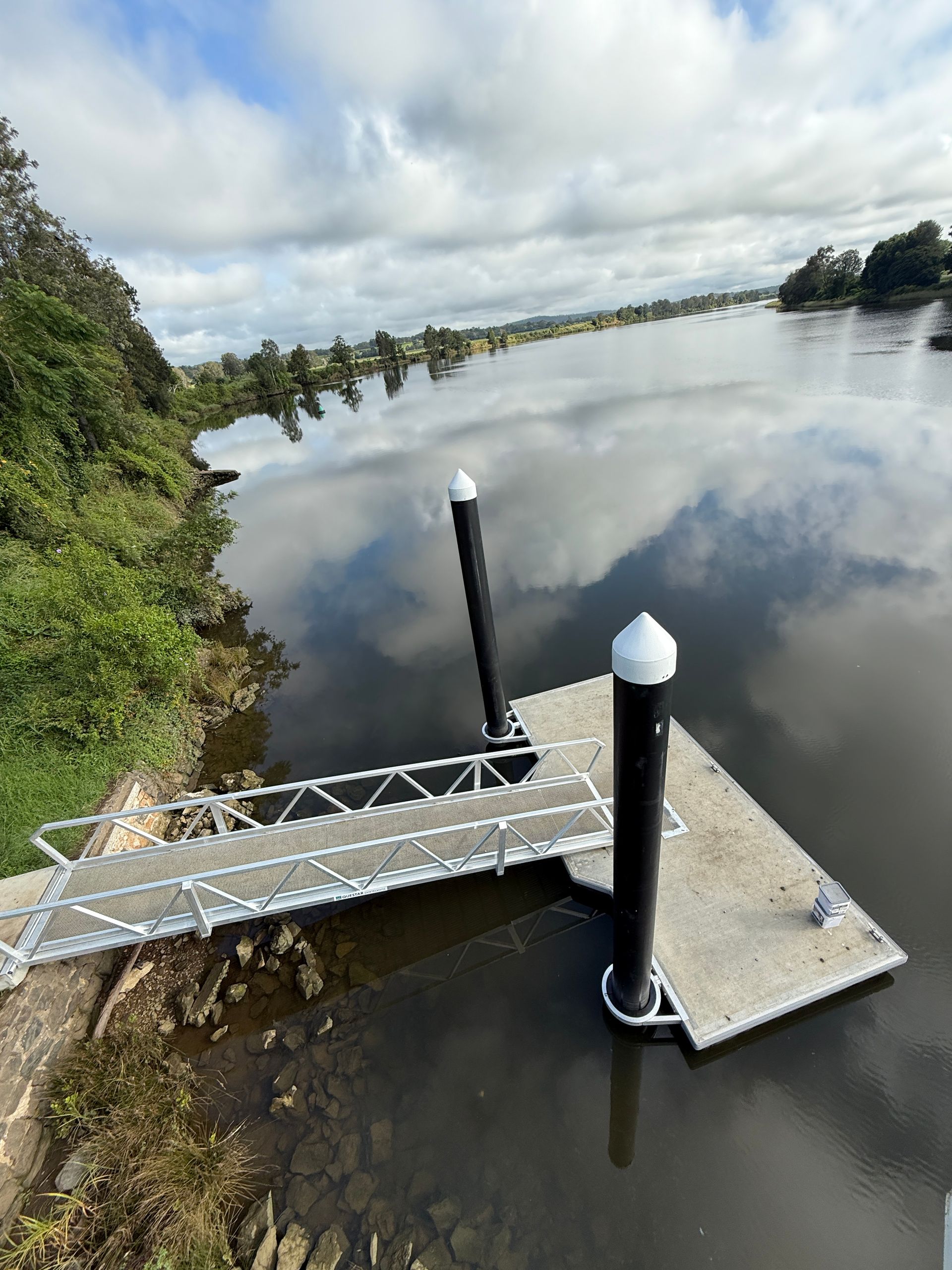
We install pontoons in Coffs Harbour that provide consistent boarding height and dependable vessel access. M&J Marine Services works with marina operators, commercial sites and private foreshore properties to create practical floating solutions. We assess how the space is used first, including vessel size, traffic flow and shoreline layout. From there, we position flotation and guide systems to maintain balance and alignment. We manage installation carefully in active waterfront areas so operations continue smoothly.
If you need pontoons in Coffs Harbour, call M&J Marine Services on 0457 425 260 to get started.
Frequently Asked Questions
How does tidal movement influence pontoon usability?
Tidal movement changes water levels throughout the day, which directly affects access to floating structures. A properly designed pontoon rises and falls with the tide, maintaining consistent boarding height. If guide systems or connections restrict natural movement, access can become uneven or unstable. Extreme tidal ranges may also influence ramp length and angle. Designing with tidal patterns in mind helps maintain safe and practical access at all times.
How can pontoon layout improve safe vessel access?
Pontoon layout influences how easily vessels can approach, secure and depart from a berth. Adequate spacing between berths allows safer manoeuvring, especially in confined marina environments. Clear access paths reduce congestion and minimise the risk of collision. Placement of cleats and connection points also affects how securely vessels can be moored. Thoughtful layout improves both pedestrian safety and docking efficiency.
What structural considerations support long-term pontoon durability?
Long-term durability depends on stable anchoring, balanced flotation and secure structural connections. Proper alignment of guide systems helps reduce unnecessary lateral movement. Even load distribution across the platform minimises stress on individual components. Exposure to wind, wake and saltwater must also be factored into structural design. Addressing these elements early helps maintain performance over time.
Send Us a Message in Coffs Harbour
Thank you for contacting M&J Marine Services.
We will get back to you as soon as possible.
Oops, there was an error sending your message.
Please try again later.
How Floating Systems Function
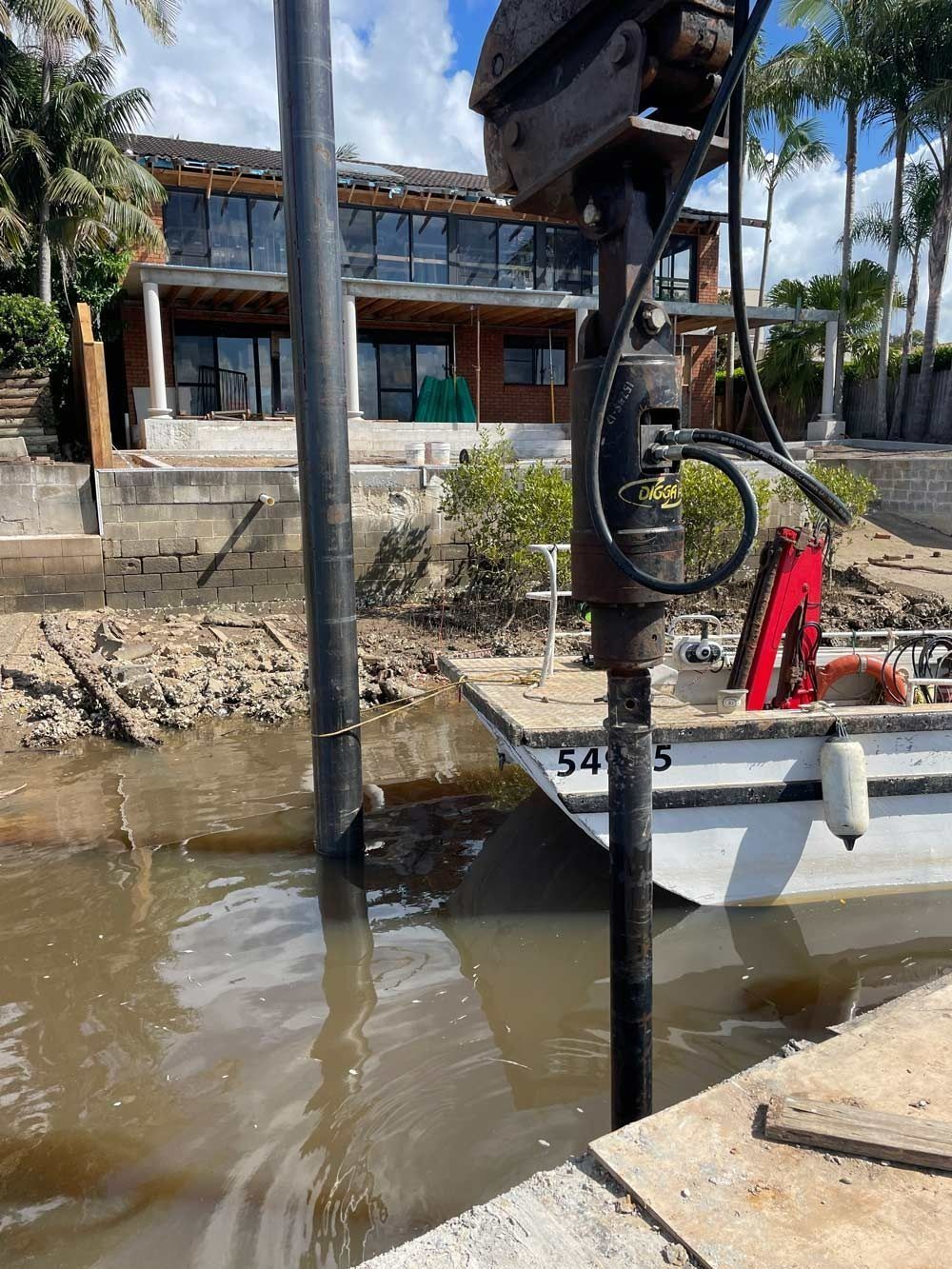
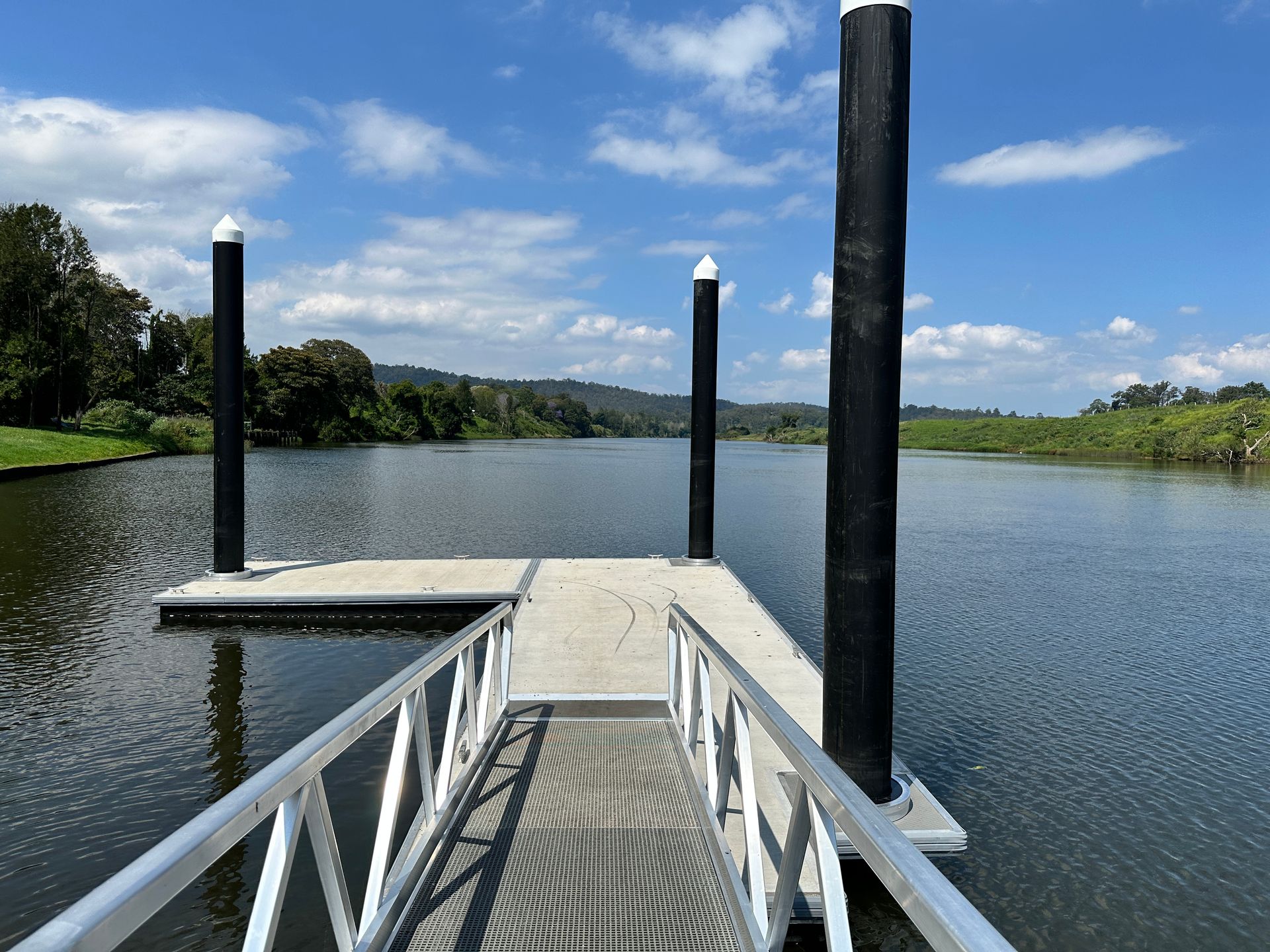
A well-positioned pontoon should feel steady underfoot even as water levels change. We secure guide piles or anchoring systems to allow controlled vertical movement while limiting lateral drift. We space structural components to handle expected loads from vessels and foot traffic. In Coffs Harbour, exposure to wind and coastal movement influences how we align each installation. We review those conditions before final placement so the system performs consistently over time. Clear communication keeps clients informed at each stage of the project. We complete installation with attention to access points and safe transitions between land and water. The result is a floating access system that remains stable, usable and suited to local marine conditions.